Smoke Alarm Installation Brisbane
Hardwired, interconnected smoke alarms installed across Brisbane to AS 3786 and Queensland's 2027 compliance requirements. Photoelectric units, 10-year sealed lithium backup, written compliance certification.
January 2027 — All Dwellings Must Comply
Under the Fire and Emergency Services Act 1990 and the Building Fire Safety Regulation 2008, all Queensland domestic dwellings must have compliant smoke alarms by 1 January 2027. This includes owner-occupied homes, which were previously exempt from the stricter requirements that already apply to rental properties and properties being sold.
Compliant alarms must be photoelectric type, hardwired or powered by a non-removable 10-year lithium battery, and interconnected so that when one alarm activates, all alarms in the dwelling sound simultaneously.
2027
Compliance Deadline
All Queensland dwellings must have interconnected smoke alarms
Our Services
Smoke Alarm Solutions
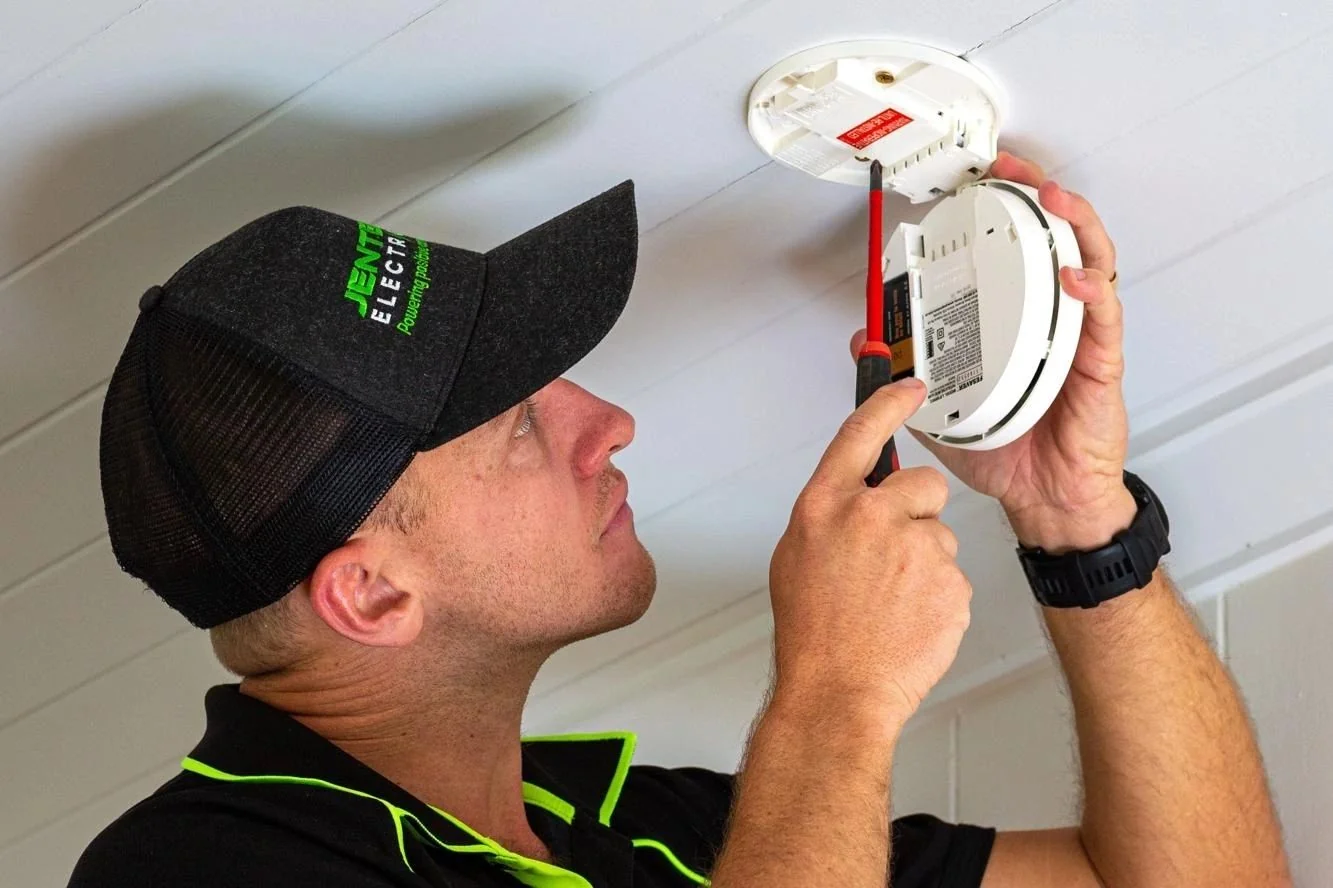
Hardwired Installation
Queensland law requires all smoke alarms in domestic dwellings to be hardwired to the mains power supply or powered by a non-removable 10-year lithium battery. Our licensed electricians install hardwired, interconnected photoelectric smoke alarms that meet the latest QFES requirements. Hardwired alarms provide the most reliable protection because they don't rely on batteries that can be removed or forgotten.
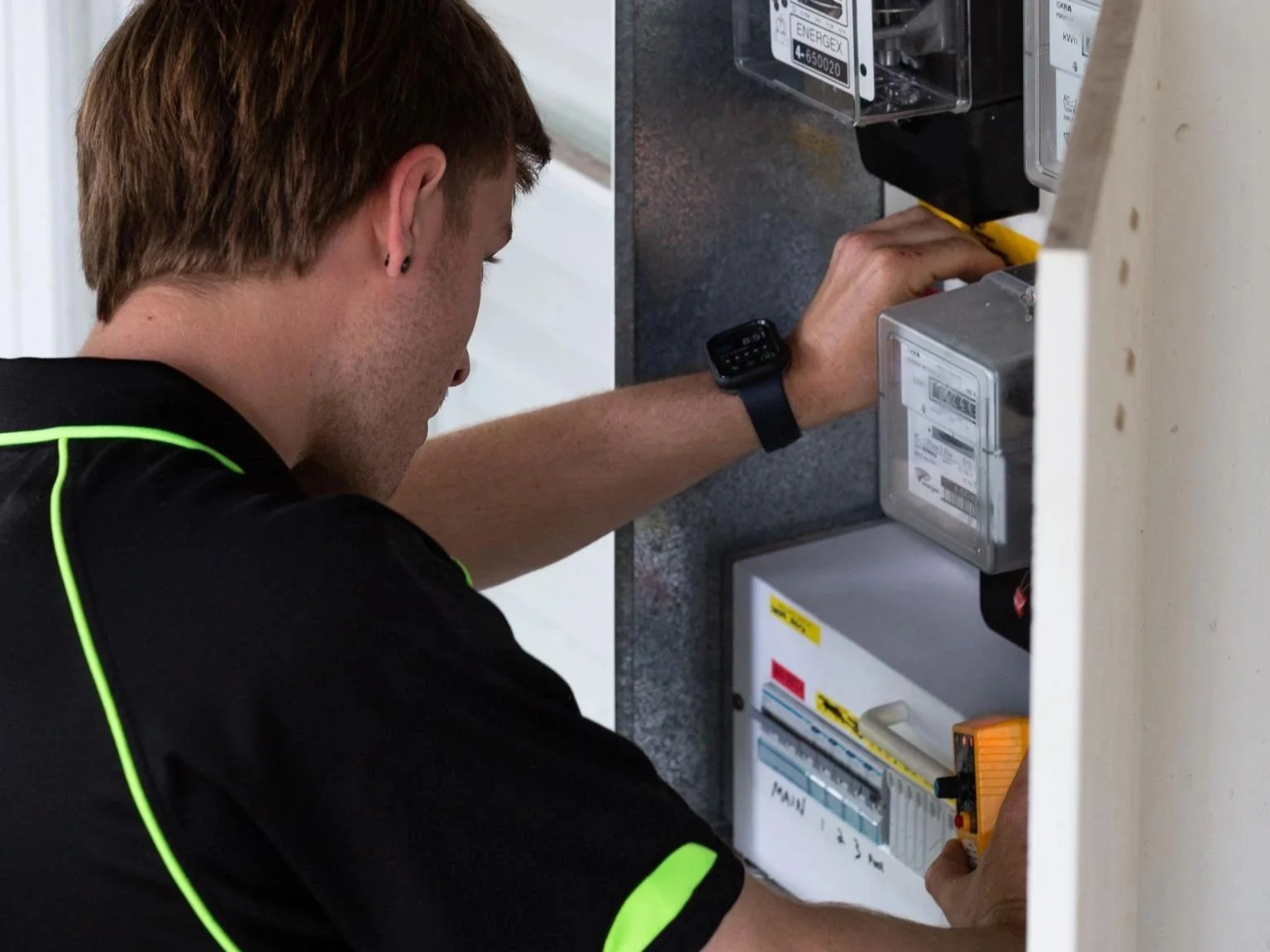
Interconnected Alarms
When smoke alarms are interconnected, if one alarm detects smoke anywhere in the house, every alarm in the property sounds simultaneously. This is critical for larger homes where a fire starting in a distant room might not be heard from bedrooms. Queensland legislation mandates interconnected alarms in all dwellings by January 2027 — and we can bring your home into compliance today.
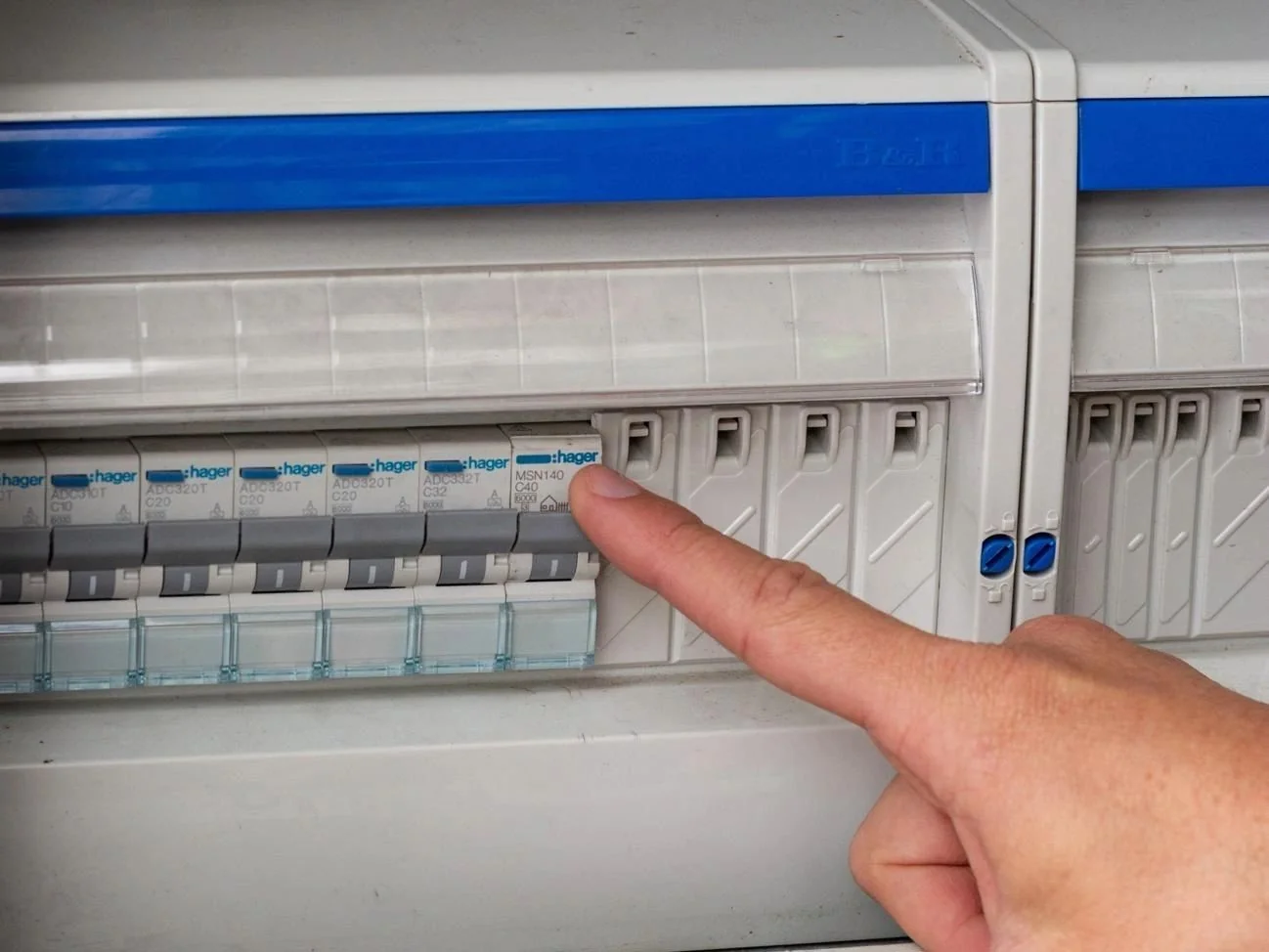
Testing & Certification
Smoke alarms require regular testing to ensure they will function when you need them most. We provide comprehensive testing and certification services for landlords, property managers, and homeowners. Our testing includes verifying alarm functionality, checking interconnection between units, inspecting mounting and placement, and issuing compliance certificates for your records.
Landlord Compliance
If you own a rental property in Queensland, you have a legal obligation to ensure smoke alarms comply with current legislation. Failure to comply can result in penalties of up to $7,755. We offer a complete landlord compliance package that includes assessment, installation, testing, and certification — giving you and your tenants peace of mind that the property meets all requirements.
QFES Requirements
Where Smoke Alarms Must Be Installed
The Queensland Fire and Emergency Services (QFES) specifies exact locations where smoke alarms must be installed in every domestic dwelling. Alarms must be hardwired to the mains power supply or use a non-removable 10-year lithium battery, and all alarms in the dwelling must be interconnected.
Alarm Requirements Summary
Who Needs Compliance
Smoke alarm compliance by property type
Queensland's smoke alarm rules apply differently depending on how the property is used. Six common situations and what compliance means for each.
Owner-Occupied Homes
QLD's 2027 deadline applies to you. Every bedroom needs an interconnected photoelectric alarm, plus hallways and storeys. Pre-compliance upgrades now avoid the 2026/2027 rush.
Rental Properties
Already in force since 2022. Landlords are legally required to provide compliant alarms. We work with property managers to roll compliance across portfolios on schedule.
New Builds
Compliance is built in from rough-in — interconnected hardwired alarms with 10-year sealed lithium backup batteries. No retrofit needed.
Renovations
Any significant renovation triggers the compliance upgrade requirement. We include smoke alarm upgrade in the rewire or addition scope so the home is compliant at handover.
Commercial Properties
Commercial smoke detection falls under different regulations (BCA, fire engineering) but we integrate with commercial systems, tenancy compliance, and base-building fire services.
Short-Stay Accommodation
Airbnb, short-stay rentals, Bed & Breakfasts must meet the rental compliance standard. Property managers rely on us for scheduled annual inspections.
What to Expect
From audit to certified, in one day
Home audit
We walk the home counting bedrooms, storeys, and hallways. We note existing alarms (hardwired? battery-only? ionisation or photoelectric?). Takes 15–20 minutes.
Compliance package quote
Written quote showing exactly what's needed — alarm count, locations, brand (Brooks, Clipsal, Emerald), and total price. Usually the same or next day after audit.
Installation
Most 3-bedroom homes done in a single day. Hardwired with 10-year sealed lithium backup batteries. No cutting into ceilings where existing cabling can be reused.
Interconnection test
Every alarm in the home sounds when one triggers. We trigger each alarm in turn and confirm the others respond — the critical part of QLD's 2027 requirement.
Certification & report
Written compliance report — useful for owner records, required for rental property files. Includes alarm locations, serial numbers, test results, and 10-year expiry dates.
Compliance & Standards
The 2027 deadline explained
Queensland has the strictest smoke alarm laws in Australia. The core instruments:
- QLD Fire and Emergency Services Act 1990 — requires compliant alarms in every QLD dwelling.
- QLD Building Fire Safety Regulation 2008 — sets the compliance specifications.
- AS 3786:2014 — the product standard every compliant alarm must meet. Only photoelectric allowed in QLD — ionisation is banned.
- 2027 deadline (owner-occupied) — by 1 January 2027 every owner-occupied QLD home must have interconnected photoelectric alarms in every bedroom, hallway, and storey.
- Rental standard (already in force) — tenanted properties have had this requirement since 2022.
- Sale & lease trigger — a property being sold or leased must be compliant at the point of transaction, regardless of the 2027 date.
What Affects Your Quote
How we price smoke alarm compliance
Every home is quoted fixed-price after a 15-minute audit. The variables that drive the price:
Bedroom & storey count
Every bedroom + every hallway connecting bedrooms + every storey needs a compliant alarm.
Existing alarm suitability
Whether any existing alarms already meet AS 3786 and can be retained vs full replacement needed.
Interconnection method
Hardwired (usually cheaper during renovation) vs wireless (easier retrofit into finished homes).
Access & cable routing
Ceiling access, heritage-feature considerations, whether existing cabling can be reused.
Rental or bulk-portfolio pricing
Property managers with multiple properties — volume quoted at a reduced per-property rate.
FAQ
Frequently Asked Questions
What are the QLD 2027 smoke alarm requirements?
Do I need photoelectric or ionisation smoke alarms?
Do hardwired alarms still work in a power outage?
How many alarms does an average Brisbane home need?
Are landlords responsible for smoke alarm compliance?
Ready to Get Started?
Don't wait for the 2027 deadline. Protect your family and ensure your home complies with Queensland smoke alarm legislation. Contact Jentech Electrical today for a free assessment and quote.